
Kryteria utylizacji zawiesi tekstylnych
Dowiedz się, kiedy należy wycofać zawiesie tekstylne z użytkowania. Poznaj najczęstsze uszkodzenia zawiesi tekstylnych, zasady kontroli oraz kryteria bezpiecznej eksploatacji.
Inspection before use
Before each use, the sling must be carefully inspected for damage and correct markings and specifications. Do not use a sling that:
- does not have identification,
is damaged.
In case of any doubt, the sling should be handed over to a competent person for inspection.
Regular checks during use
Regular inspections during use During use, regular inspections should be carried out to detect any damage or defects, including those that may be hidden under dirt. The inspection should include:
- sling condition,
hooks and accessories used in conjunction with the sling.
In case of:
- lost or damaged markings,
- visible damage,
- doubts about the continued suitability of the sling,
be taken out of service and inspected by a qualified person.
Frequency of inspections
The frequency of inspections should be adapted to the conditions of use, such as:
- working environment,
- frequency of use,
- the peculiarities of the transported loads.
However, each sling should be inspected at least once a year by a competent person. The results of the inspections should be documented.
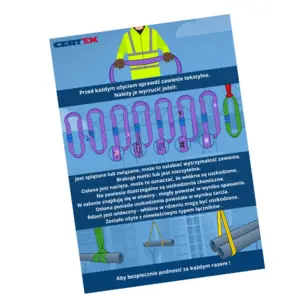
Examples of defects that disqualify textile slings
Surface friction:
- Normal use causes minor fiber wear, which is acceptable.
- Local abrasions or chafing, especially from sharp edges, can lead to serious damage and loss of strength.
Cuts or damage to the cover and seams:
- Horizontal or vertical cuts in the cover.
- A visible sling core indicates damage to the sling.
Chemical interaction:
- Delamination of the material, softening or the possibility of scratching the fibers.
Thermal damage:
- Shiny appearance of fibers.
- The blending of material fibers indicates a serious weakening of the sling.
Damaged or deformed hooks and accessories.

Here are some examples of sleds out of service:

Warning
Never attempt to repair a damaged sling yourself. Slings should not be stored in direct sunlight or near sources of UV radiation.
Safe use of textile slings requires regular inspection and proper storage and maintenance. Any damage should be taken seriously to prevent the risk of accidents.
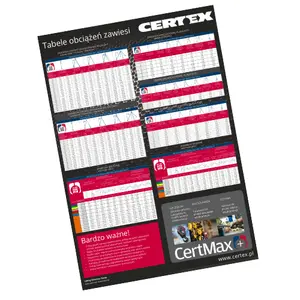
Download posters showing examples of damage that disqualifies textile slings to take even better care of their safe use!
Kiedy należy wyrzucić zawiesie tekstylne?
Zawiesie powinno zostać natychmiast wycofane z eksploatacji, jeżeli podczas kontroli zostaną stwierdzone uszkodzenia mogące wpływać na jego nośność lub bezpieczeństwo użytkowania. Dotyczy to zarówno sytuacji, gdy występują widoczne uszkodzenia mechaniczne, jak i przypadków utraty oznaczeń identyfikacyjnych lub uszkodzenia elementów współpracujących.



Frequently Asked Questions about the Disposal of Textile Slings
A sling should be immediately withdrawn from use in the event of visible damage, a missing or illegible label, or if there are any doubts about its safety. In such cases, it should be inspected by a competent person.
Yes, minor wear resulting from normal use is acceptable. However, any localized damage—especially caused by sharp edges—can lead to a loss of strength and requires the sling to be withdrawn from use.
No. Damaged slings must not be repaired independently. Any damage can affect their strength and pose a safety risk.
An illegible or missing label prevents identification of the sling’s technical parameters. Such a product should be withdrawn from use and submitted for evaluation by a specialist.

